

On September 1, 2026, Canadian satellite manufacturer MDA Space announced an expansion of its product roadmap to support growing commercial demand for Direct-to-Device (D2D) communications satellites.
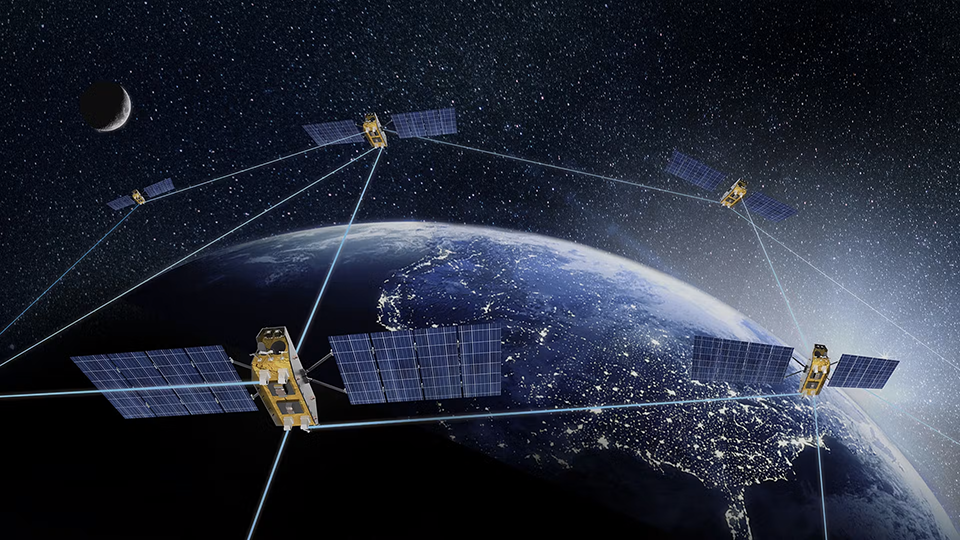
Designed to address terrestrial mobile network dead zones, the company is deploying its mass-producible software-defined architecture to build Low Earth Orbit (LEO) satellite platforms capable of connecting standard 3GPP-compliant smartphones directly to orbital networks.
AURORA Platform Heritage and Manufacturing Scaling
The D2D initiative utilizes the MDA AURORA software-defined product line, which MDA Space introduced following the corporate rebranding of MDA Space and launch of its modular satellite portfolio. Built around digitally reconfigurable payloads and automated assembly lines, the AURORA platform allows operators to modify frequency allocations, beam shapes, and power distributions while in orbit.
MDA Space previously validated this high-rate manufacturing model when Telesat selected MDA Space as prime contractor for the 198-satellite Lightspeed constellation. By applying automated manufacturing techniques from the Lightspeed production line at its satellite integration facility in Quebec, MDA Space aims to reduce production cycles for high-density D2D constellations.
Technical Parameters and Antenna Specifications
Direct-to-Device satellite connectivity requires specialized payload architectures to overcome the power and aperture limitations of un-modified mobile handsets. The MDA Space D2D design incorporates high-gain phased array antennas with active beamforming capabilities, enabling single satellites to synthesize thousands of dynamic spot beams across ground coverage areas.
Operating in mid-band and sub-6 GHz terrestrial spectrum, the payloads integrate advanced digital transparent processors capable of executing real-time signal processing and interference mitigation. The software-defined payload architecture allows satellite operators to dynamically shift network capacity toward regions experiencing sudden surges in terrestrial network congestion or maritime traffic.
Commercial Telecom Alignment and Industry Context
The strategy aligns with broad commercial shifts across the telecommunications industry, where terrestrial mobile network operators (MNOs) are partnering with satellite providers to extend standard cellular coverage into remote areas. By providing standardized, software-defined space platforms to commercial constellation operators, MDA Space enables telecom partners to deliver emergency messaging, voice services, and broadband data without requiring hardware modifications to existing consumer smartphones.
Executive Leadership Viewpoint
“The convergence of space networks and terrestrial cellular communication represents one of the largest market opportunities in commercial satellite manufacturing,” said Mike Greenley, Chief Executive Officer of MDA Space. “By applying our software-defined AURORA technology to the Direct-to-Device domain, we provide satellite operators with the manufacturing scale, flexibility, and payload performance required to deliver reliable cellular connectivity directly to standard mobile devices worldwide.”
Manufacturing Scaling and Delivery Roadmap
MDA Space is completing payload integration and automated testing protocols for initial D2D platform configurations at its advanced satellite manufacturing facility. The company expects to begin initial deliveries of flight-qualified D2D satellites to commercial constellation customers in 2027, establishing an operational foundation for global direct-to-cell satellite coverage.
