

January 2, 2026 — Türkiye has officially commenced the first phase of construction for a strategic spaceport in Somalia to establish independent access to orbit. The project, part of the National Space Program, aims to eliminate external dependency for satellite launches while positioning the country as a competitive actor in the global space economy.
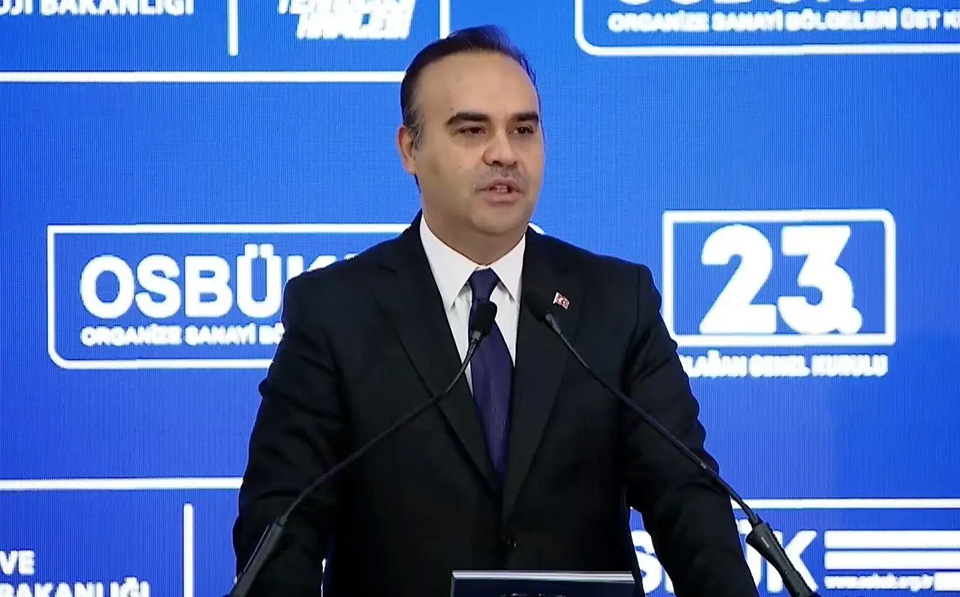
Minister of Industry and Technology Mehmet Fatih Kacır confirmed the milestone on December 30, 2025, stating that feasibility and design work for the facility had been finalized. The project is being coordinated by the Ministry and the Turkish Space Agency (TUA) on land allocated to Türkiye under a bilateral cooperation agreement with Somalia.
Strategic and Technical Rationale
The selection of Somalia for the launch site is driven by its proximity to the equator, which provides a technical advantage for satellite launches. Because the Earth’s rotational speed is highest at the equator, rockets launched from this latitude require less fuel to transport heavy payloads into orbit compared to higher latitudes.
Additionally, Somalia’s coastal geography allows for launch trajectories over open water, reducing risks to populated areas. Unlike Türkiye’s domestic geography—where northern launches face the Black Sea and southern launches traverse sensitive airspace near Cyprus and Israel—Somalia offers year-round favorable weather and low air and maritime traffic density.
Infrastructure and Economic Objectives
The spaceport is designed to support a three-phase development plan:
- National Autonomy: Initially supporting the launch of homegrown Turkish satellites into Low Earth Orbit (LEO) and Geosynchronous Earth Orbit (GEO).
- Industrial Growth: Deepening domestic capabilities in rocket engines, propulsion systems, avionics, and ground support infrastructure.
- Commercialization: Opening the facility to international private sector customers to generate revenue and provide launch services for the global market.
“Türkiye’s possession of a spaceport is a strategic step that will position our country as an independent, competitive, and globally influential actor,” stated Minister Kacır. The facility will be protected by existing security frameworks, including the established Turkish military presence in the region.
Next Milestones
TUA President Yusuf Kıraç indicated that the first phase of construction is expected to conclude in approximately 12 months. The agency targets initial operational readiness for the site in the first months of 2027. These developments coincide with Türkiye’s preparations to host the 77th International Astronautical Congress (IAC) in Antalya in October 2026.
