

In a strategic “course correction” aimed at accelerating the American return to the lunar surface, NASA Administrator Jared Isaacman announced on February 27, 2026, a significant restructuring of the Artemis program.
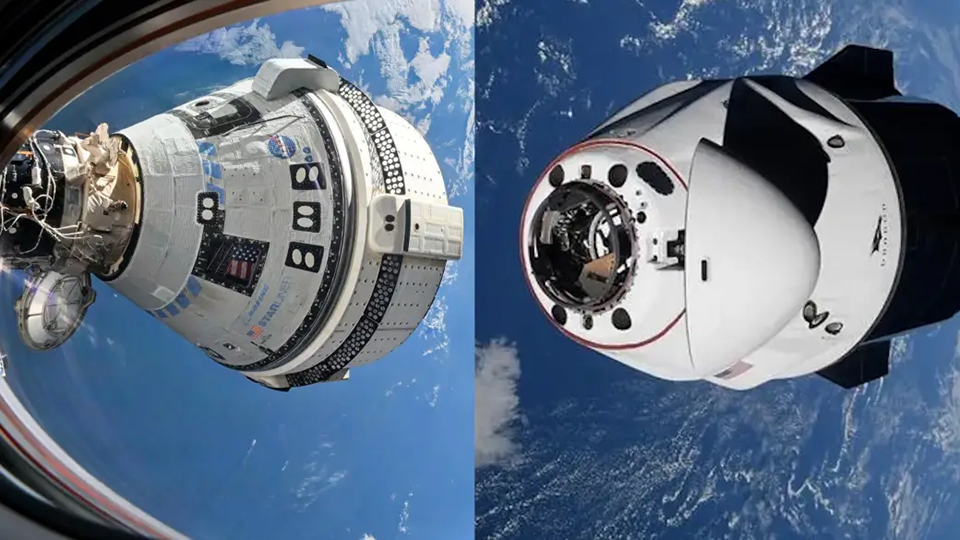
The revised roadmap elevates the role of commercial providers, specifically SpaceX, while adjusting the flight cadence and configuration requirements for the Boeing-led Space Launch System (SLS).
The policy shift prioritizes standardized vehicle configurations and a more aggressive launch schedule to maintain “muscle memory” within the workforce. Central to this update is the transformation of Artemis III from a lunar landing mission into a high-stakes demonstration in Low Earth Orbit (LEO) to validate the integration of the Orion spacecraft with commercial Human Landing Systems (HLS).
Strategic Pivot to Commercial Integration
The new architecture introduces a “step-by-step build-up” reminiscent of the Apollo-era testing philosophy. Under the revised plan, Artemis III—now targeted for 2027—will serve as a LEO docking and rendezvous test between Orion and the HLS variants under development by SpaceX and Blue Origin.
This move effectively places the critical path for a lunar landing on the maturity of SpaceX’s Starship refueling and orbital transfer capabilities. By testing these systems in Earth orbit first, NASA aims to retire technical risks associated with cryogenic propellant management before committing a crew to a lunar descent.
“NASA must standardize its approach, increase flight rate safely, and execute on the President’s national space policy,” said NASA Administrator Jared Isaacman. “With credible competition from our greatest geopolitical adversary increasing by the day, we need to move faster, eliminate delays, and achieve our objectives.”
Impact on Boeing and the SLS Program
While the SLS remains the primary heavy-lift vehicle for transporting the Orion crew capsule, the architecture change represents a shift in how NASA utilizes the platform. To avoid “needlessly complicated” alterations to the SLS and Orion stack, NASA Associate Administrator Amit Kshatriya noted that the agency will focus on a standardized Block 1B configuration for subsequent missions.
Boeing, which manufactures the SLS core stage, continues to position the rocket as the only “deep-space optimized” system capable of direct lunar transit. However, the increased reliance on commercial tankers for in-space propulsion and landing logistics suggests a diminishing role for the SLS in future orbital tug operations, which were once envisioned as part of the evolved SLS upper-stage manifest.
Revised Artemis Mission Sequence
| Mission | Target Date | Primary Objective | Key Hardware |
| Artemis II | April 2026 | Crewed Lunar Flyby | SLS Block 1, Orion |
| Artemis III | 2027 | LEO HLS/Orion Docking Demo | SLS, SpaceX/Blue Origin HLS |
| Artemis IV | Early 2028 | First Lunar Surface Landing | SLS Block 1B, Starship HLS |
Timeline to 2028 Landing
NASA is currently targeting the first crewed lunar landing of the 21st century for early 2028. To meet this window, teams at the Kennedy Space Center are currently finalizing repairs on the Artemis II hardware, following a helium issue identified in the Interim Cryogenic Propulsion Stage. A successful Artemis II flight in the spring of 2026 is considered the essential “go/no-go” milestone for the Isaacman administration’s accelerated vision.
