

CARDIFF, Wales — Space Forge has successfully activated the manufacturing furnace aboard its ForgeStar-1 satellite, generating plasma and reaching a temperature of 1,000°C in Low Earth Orbit (LEO). Confirmed by the company on Wednesday, the milestone marks a critical step toward the commercial production of “super materials” in space.
The activation, managed from Space Forge’s Mission Operations Centre in Cardiff, demonstrated the platform’s ability to maintain the extreme thermal environments required for semiconductor fabrication. The company aims to leverage the microgravity and vacuum of space to grow semiconductor crystals up to 4,000 times purer than those manufactured on Earth, potentially offering significant performance leaps for 5G infrastructure and electric vehicle power systems.
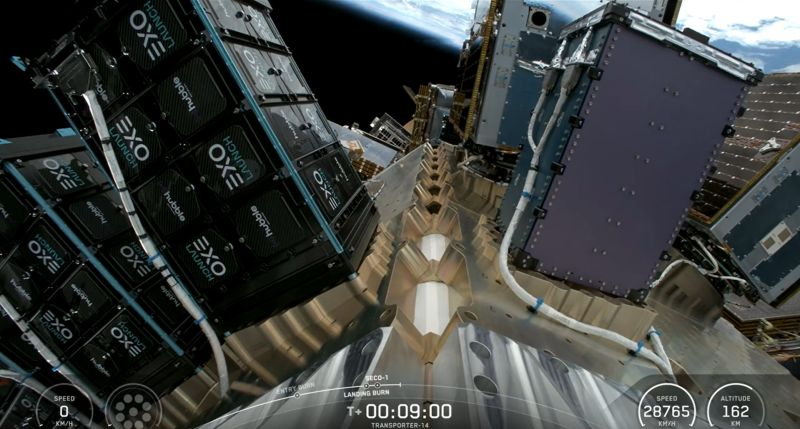
This achievement follows the satellite’s deployment earlier this year. Space Forge launched ForgeStar-1 on June 27 aboard SpaceX’s Transporter-14 rideshare mission. As the UK’s first purpose-built in-space manufacturing satellite, the platform serves as a testbed for the company’s “Fab-in-a-Box” technology.
“The work that we’re doing now is allowing us to create semiconductors up to 4,000 times purer in space than we can currently make here today,” said Josh Western, CEO and Co-founder of Space Forge. “This sort of semiconductor would go on to be in the 5G tower in which you get your mobile phone signal… it’s going to be in the latest planes.”
While ForgeStar-1 is not designed to return to Earth, it is paving the way for the company’s future returnable vehicles. The current mission data will validate the thermal control systems needed for the next generation of ForgeStar satellites, which will utilize the proprietary Pridwen heat shield for atmospheric re-entry.
Timeline to Commercial Operations
With the furnace successfully tested, Space Forge will proceed with the remainder of the ForgeStar-1 mission objectives, which include validating the mechanical deployment systems for the Pridwen shield. The company is simultaneously developing larger platforms capable of producing sufficient material for 10,000 chips per mission, with commercial return missions targeted for the late 2020s.
