

In the wake of Mobile World Congress 2026, industry speculation has intensified regarding a potential partnership between Rocket Lab (Nasdaq: RKLB) and Equatys, the newly detailed Direct-to-Device (D2D) joint venture between Viasat and Space42. The venture aims to deploy a massive LEO constellation of up to 2,800 satellites to provide seamless 3GPP-aligned connectivity to standard smartphones and IoT devices globally.
Reports from late March 2026 suggest that Rocket Lab is a primary candidate for the satellite bus manufacturing contract. Analysts point to Rocket Lab’s recent $1 billion capital raise as a potential strategic fund for an equity stake in the venture, mirroring its successful vertical integration strategy as a prime contractor for the U.S. Space Development Agency (SDA).
The Equatys ‘Space TowerCo’ Model
Announced in September 2025 and detailed in Barcelona on March 2, 2026, Equatys is designed as an independent, neutral infrastructure platform—an “industry-first space tower company.” The model allows multiple Mobile Network Operators (MNOs) to share the same LEO infrastructure, significantly reducing the capital expenditure (Capex) required for standalone D2D networks.
Space42, the UAE-based AI SpaceTech entity formed by the merger of Bayanat and Yahsat, has already committed $600 million in Capex for the 2026–2027 period to initiate the constellation’s build-out. The project leverages over 100 MHz of globally harmonized L- and S-band Mobile Satellite Services (MSS) spectrum held by Viasat and its partners.
Technical Specifications
The Equatys architecture is designed for “densification,” allowing the network to scale from an initial tactical layer to full global capacity without a fundamental redesign.
- Constellation Size: Up to 2,800 satellites.
- Orbits: 60 orbital planes across three distinct altitude layers.
- Spectrum: L-band and S-band (3GPP Non-Terrestrial Network Release 17+).
- Bus Platform: If awarded to Rocket Lab, the satellites would likely utilize the “Lightning” or “Photon” bus, tailored for high-cadence manufacturing.
- Interoperability: Designed for automatic transition between terrestrial and satellite networks for billions of underserved users.
Executive Perspective
“Equatys is establishing an industry-first tower company model that can deliver the lowest unit cost of satellite capacity while preserving each partner’s spectrum rights,” said Mark Dankberg, CEO and Chairman of Viasat. “By sharing infrastructure, we can achieve ubiquitous, affordable, and scalable mobility for the entire ecosystem.”
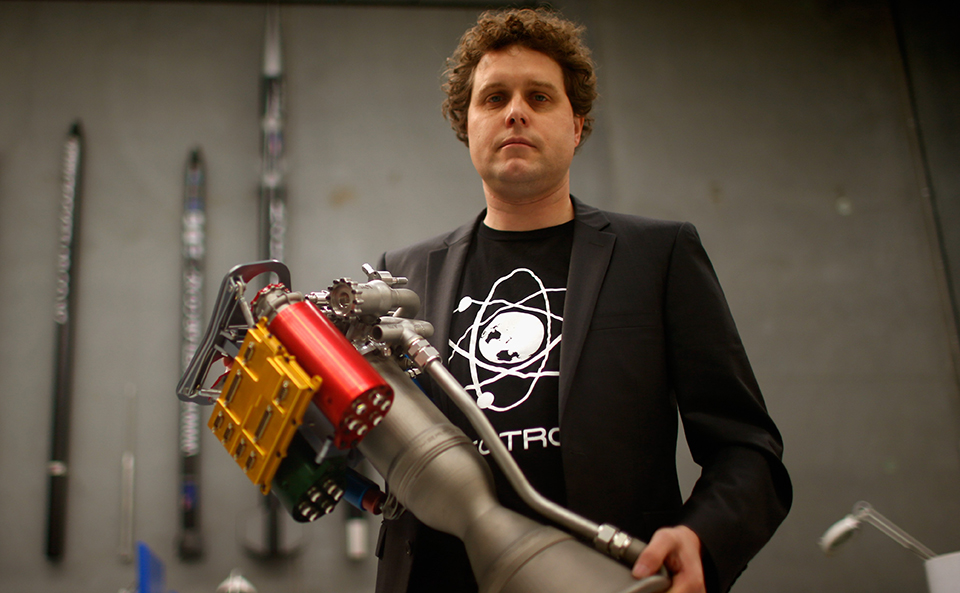
“Demand for resilient, scalable, and affordable space systems continues to grow,” noted Peter Beck, CEO of Rocket Lab, in a recent update regarding the company’s SDA prime contracts. “Our vertically integrated approach isn’t just a competitive advantage—it’s enabling a fundamental shift in how large-scale constellations are executed.”
Commercial Rollout and Partnerships
While definitive agreements for the satellite bus have not yet been finalized, Equatys has already secured commercial momentum through MoUs with e& UAE and Telkomsat (Indonesia).
The roadmap targets an initial technical demonstration in late 2026, with a phased commercial rollout beginning in 2027. If Rocket Lab is confirmed as the bus provider, it would solidify the company’s transition from a launch specialist to a top-tier satellite prime for the world’s largest commercial LEO constellations.
