

HAWTHORNE, CALIFORNIA – While SpaceX continues to dominate the Low Earth Orbit (LEO) broadband market with over 11,000 active Starlink satellites, the company has officially pivoted its long-term strategy toward space-based computing. Following the February 2, 2026, merger with xAI, SpaceX has filed an unprecedented application with the Federal Communications Commission (FCC) to deploy up to one million satellites dedicated to an “Orbital Data Center” network.
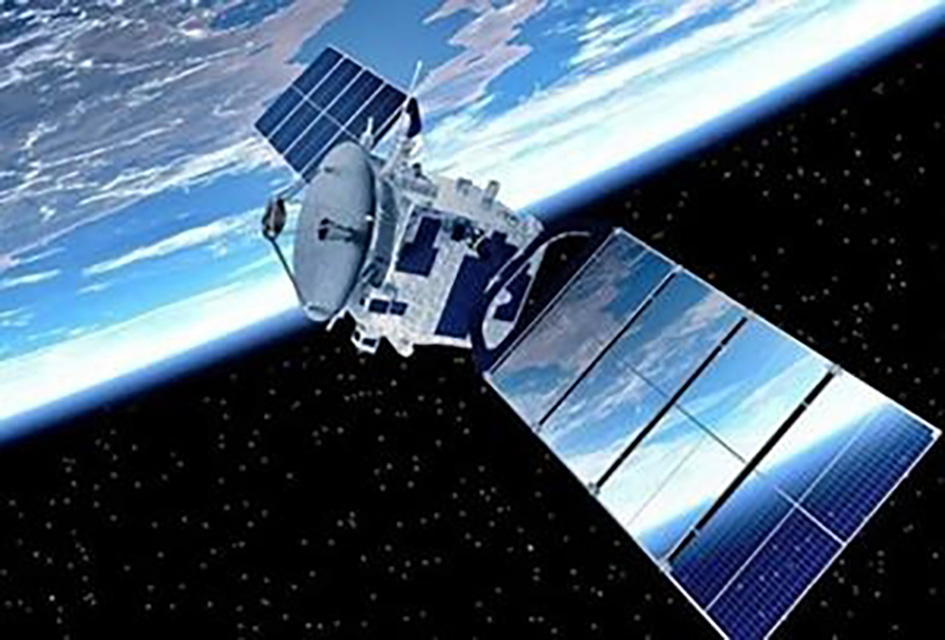
This strategic shift redefines the “Starlink competition.” SpaceX is no longer merely competing with internet service providers; it is now positioning itself against terrestrial cloud giants like Microsoft, Google, and its primary orbital rival, Amazon.
The New Competitive Landscape: Amazon Project Kuiper
As of March 9, 2026, Amazon’s Project Kuiper (rebranded as Amazon Leo) remains the most significant direct competitor to Starlink’s core broadband business.
- Constellation Status: Amazon currently has 212 satellites in orbit following its first heavy-lift mission on an Ariane 64 in February.
- Service Rollout: Amazon anticipates beginning commercial service in the U.S., Canada, UK, Germany, and France by the end of Q1 2026.
- Legal Friction: On March 6, 2026, Amazon filed a formal objection to SpaceX’s million-satellite plan, calling the application “speculative” and an attempt to “warehouse” orbital altitudes (500 km to 2,000 km) to block competitors.
Rationale: Bypassing the Terrestrial Grid
SpaceX CEO Elon Musk has described the move as a necessity for scaling artificial general intelligence (AGI). “Global electricity demand for AI simply cannot be met with terrestrial solutions without imposing hardship on the environment,” Musk stated. By moving compute-heavy workloads to orbit, SpaceX plans to leverage near-constant solar energy and the natural 3-Kelvin cooling of deep space.
This vertical integration—combining the Starship launch vehicle, Starlink connectivity, and xAI processing—is intended to drive the cost of AI inference down to levels unattainable on the ground.
It is one of the more ironic arrangements in the space industry. In late 2023, Amazon signed a contract with SpaceX—its primary rival in the satellite internet sector—to launch three Falcon 9 missions.
So, How is it that Amazon LEO gets to use SpaceX to get their sartellite to orbit?
While the two companies are fierce competitors (Jeff Bezos vs. Elon Musk), several pragmatic business and legal factors forced them into this “frenemy” agreement:
The FCC “Use It or Lose It” Deadline
Under its FCC license, Amazon (under its “Amazon Leo” or Project Kuiper brand) is legally required to have half of its 3,236-satellite constellation in orbit by July 2026. If they miss this milestone, they risk losing their spectrum rights—the specific radio frequencies needed to transmit data. With the clock ticking, Amazon simply couldn’t afford to wait for unproven rockets.
The “Other” Rockets Were Delayed
Amazon originally booked a massive block of 77 launches with three other providers: ULA (Vulcan), Arianespace (Ariane 6), and Blue Origin (New Glenn). However, as of early 2026, many of these heavy-lift rockets faced development delays:
- Vulcan Centaur: Experienced several schedule slips throughout 2024 and 2025.
- Ariane 6: Only recently began its high-cadence launch phase (the first successful heavy-lift Ariane 64 mission for Amazon just occurred in February 2026).
- New Glenn: Has yet to begin the high-volume cadence required to meet Amazon’s massive deployment needs.
SpaceX is the “Only Game in Town”
SpaceX’s Falcon 9 is currently the only rocket in the world with the launch cadence and reliability to guarantee orbital slots on short notice. By using SpaceX, Amazon “de-risked” its schedule. In fact, two of the three contracted Falcon 9 missions have already flown (in July and August 2025), and the third was successfully completed in October 2025.
Legal Pressure from Shareholders
Amazon was actually sued by a pension fund (the Cleveland Bakers and Teamsters Pension Fund) for not including SpaceX in its original launch bids. The lawsuit argued that Amazon’s leadership—specifically Jeff Bezos—was letting a personal rivalry with Elon Musk interfere with the company’s best interests by ignoring the most cost-effective and reliable launch provider. Shortly after these legal pressures intensified, Amazon announced the SpaceX contract.
Amazon Leo Launch Status (as of March 2026)
| Rocket | Missions Completed | Current Status |
| ULA Atlas V | 4 Missions | Final units being utilized. |
| SpaceX Falcon 9 | 3 Missions | Contract Completed (Oct 2025). |
| Arianespace Ariane 6 | 1 Mission | Heavy-lift phase began Feb 2026. |
| ULA Vulcan | 0 Missions | Targeted for first Leo flight in Q1 2026. |
Inn summery, Amazon paid its biggest competitor because it was the only way to save its multi-billion dollar satellite business from a regulatory “death sentence.”
