

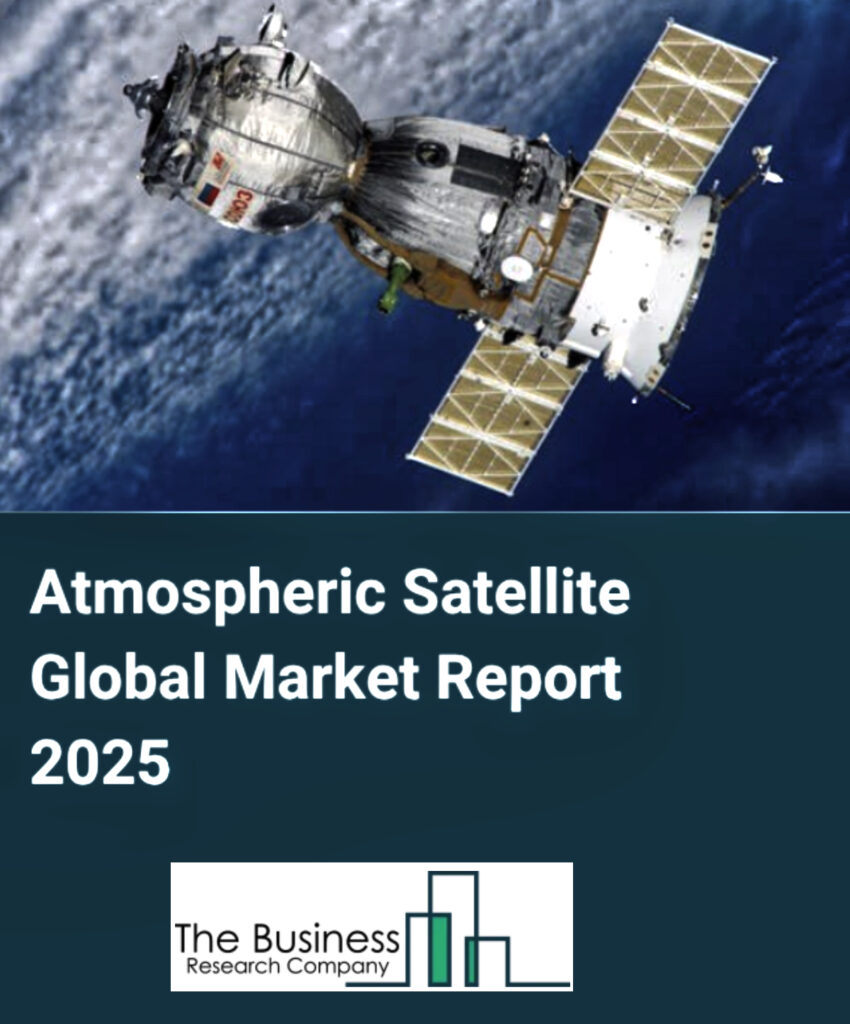
The size of the atmospheric satellite market has seen significant expansion in the past few years. It is projected to escalate from $9.98 billion in 2024 to $10.9 billion in 2025, boasting a compound annual growth rate (CAGR) of 9.2%, as is reported in the The Atmospheric Satellite Market In 2025 report from The Business Research Company.
A surge in the demand for weather prediction, an increasing requirement for disaster management solutions, increased government backing for satellite missions, an upswing in the utilization of satellites for monitoring the environment, and a growing cognizance about sustainable practices have all contributed to this historical growth period.
Expectations for the atmospheric satellite market size predicts robust growth power in the forthcoming years. The projection states that it will expand to $15.54 billion by 2029, accompanied by a compound annual growth rate (CAGR) of 9.3%.
The projected growth over the forecast period can be traced back to a surge in investments in satellite-based communication infrastructure, increased utilization in climate regulation, growing demand for agricultural oversight, heightened concentration on air quality surveillance, and an upward trend in the use of satellites for emergency and civic safety communication.
Key trends during this interval include progress in satellite constellation installations, advancements in multi-sensor satellite technology, incorporating atmospheric data for climate study, evolution of innovative imaging and sensing tools, and progress in international partnerships for environmental monitoring.
Download a free sample of the atmospheric satellite market report at this direct link…
The escalating need for agricultural surveillance is predicted to fuel the expansion of the atmospheric satellite market in the future. This refers to employing technology to monitor the health of crops, soil conditions, and farming operations to boost productivity and efficiency. This heightened need for agricultural surveillance is attributed to the desire for better crop yields, as farmers look for accurate data to refine their farming methods and resource allocation.
Atmospheric satellites fulfill this growing need by offering accurate, real-time information on weather, soil and crop conditions, which aids in improving farm management. For instance, as reported by the U.S. Department of Agriculture’s Economic Research Service (ERS), a government agency based in the U.S., the direct farm program payments are slated to amount to $40.5 billion in September of 2025, a sizeable jump from the $10.1 billion distributed in 2024, an increase of $30.4 billion. Consequently, the rising need for agricultural monitoring is spearheading the growth of the atmospheric satellite market.
Major players in the Atmospheric Satellite Global Market Report 2025 include:
- Airbus SE
- Maxar Technologies Holdings Inc.
- Lockheed Martin Corp.
- Northrop Grumman Corp.
- L3Harris Technologies Inc.
- Thales Group
- Raytheon Technologies
- General Dynamics Corp.
- Honeywell International
- Israel Aerospace Industries
Key players in the atmospheric satellite sector are focusing on developing innovative observation technologies such as microwave radiometry, in an effort to improve atmospheric observation and increase the precision of weather and climate analysis.
Microwave radiometry is a superior remote sensing method that records naturally radiating microwave radiation from the Earth’s surface and atmosphere, thus determining essential atmospheric details like water vapor, precipitation, and cloud liquid water, irrespective of adverse or cloudy weather conditionsTo illustrate, in June 2025, the Japan-based space agency, the Japan Aerospace Exploration Agency (JAXA), launched the Greenhouse Gases and Water Cycle Observation Satellite (GOSAT-GW). This advanced atmospheric observation satellite is equipped with the Advanced Microwave Scanning Radiometer (AMSR3), a cutting-edge microwave radiometer that provides accurate estimates of atmospheric water vapor, precipitation, and cloud characteristics.
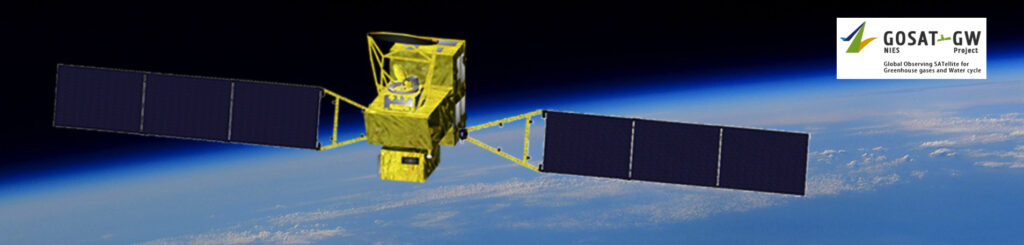
By offering these capabilities, GOSAT-GW aids in tracking the water cycle, promotes weather and climate modeling, advances climate change studies, and facilitates more thorough analysis of atmospheric dynamics and interactions.
View the full atmospheric satellite market report at this direct link…
