
That “always sunny” optimism is exactly what’s fueling the most audacious pivot in the space industry right now.
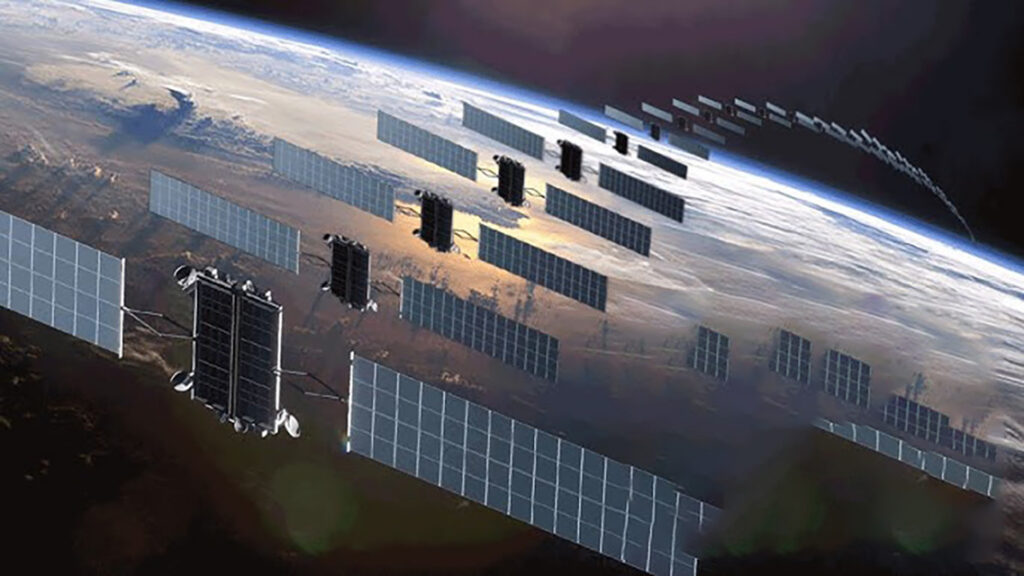
It’s certainly true that as of early 2026, Elon Musk and Jeff Bezos have become much more than just entrepreneurs. They are effectively the architects of a new orbital era, and their personal visions are now deeply woven into the fabric of global security and infrastructure.
By early 2026, their influence over the orbital domain has reached a level where their private decisions now carry the weight of national policy.
This orbital domain is often categorized into three distinct areas: national security dependence, orbital congestion, and environmental impact.
Strategic Dependence (The “Single Point of Failure”)
The U.S. government has developed what experts call a “reverse dependency” on SpaceX. As of 2026, SpaceX holds over $22 billion in government contracts and maintains a 95% share of the domestic launch market.
- National Security: SpaceX’s Starlink has become a critical tactical asset in global conflicts, notably in Ukraine. This has raised concerns about a single private citizen having the power to “turn off” military communications or influence geopolitical outcomes.
- Monopoly Concerns: While Bezos’ Blue Origin has made strides with the successful landing of the New Glenn booster in late 2025, it is still playing catch-up. The Pentagon is currently pushing for “launch provider diversity” to ensure the U.S. isn’t vulnerable if one company faces a technical or political crisis.
Orbital Congestion and the “Kessler Syndrome”
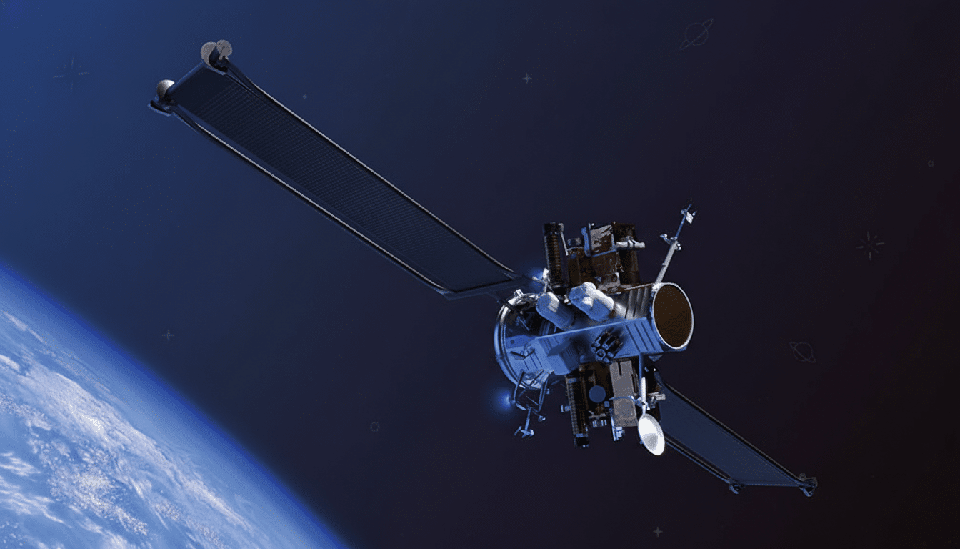
Both billionaires are in a race to deploy “mega-constellations” that are fundamentally altering the night sky.
- Starlink & Kuiper: SpaceX is moving toward a constellation of 30,000 satellites, while Amazon’s Project Kuiper has received FCC clearance for thousands more.
- Collision Risk: Space surveillance networks are now tracking over 40,000 objects, but millions of untracked fragments exist. Experts warn of the Kessler Syndrome, a cascading chain reaction of collisions that could make certain orbits unusable for generations.
- Astronomy: A late 2025 study found that 96% of space telescope exposures will soon be contaminated by satellite light trails, potentially “blinding” our ability to detect near-Earth asteroids or perform deep-space research.
The “Hidden” Environmental Cost
The environmental impact of these private space programs is coming under intense scrutiny in 2026.
- Atmospheric Pollution: It is estimated that 16 tons of satellite material now burn up in the atmosphere every day as older units are replaced. This “aluminum rain” may be altering the chemistry of the upper atmosphere.
- Carbon Footprint: Satellite broadband will be roughly 6 to 8 times more emissions-intensive per subscriber than terrestrial 4G/5G mobile broadband due to the sheer volume of rocket launches required.
Comparative Snapshot: 2026
| Feature | Elon Musk (SpaceX) | Jeff Bezos (Blue Origin/Amazon) |
| Market Role | Domestic Monopolist (95% share) | Primary Competitor (Rising) |
| New Initiative | SpaceX-xAI Merger: Building “Orbital Data Centers” | Amazon-AT&T Pact: Integrating Cloud with Space |
| Key Launchers | Falcon 9 (Proven), Starship (Testing) | New Glenn (Operational/Reuse Focus) |
| Regulatory Tension | Facing FAA noise and debris scrutiny | Feuding with SpaceX over pad safety at Kennedy |
While “Space” itself is a harsh environment, it is predictable. The “danger” cited by critics today is the unpredictability of human-led corporations controlling a global common resource without a comprehensive international regulatory framework.