
In a bipartisan rebuke of proposed executive austerity, the House Appropriations Committee released its Fiscal Year 2026 spending bill on January 5, 2026, proposing $24.4 billion for NASA.
The figure stands in stark contrast to the deep cuts requested by the Trump administration, which had sought to reduce the agency’s topline to under $22 billion by targeting Earth Science and long-duration exploration missions.
The proposed budget represents a $1.1 billion increase over the FY2025 enacted level, signaling strong legislative support for maintaining American leadership in both deep-space exploration and planetary science.
Saving Flagship Science: Dragonfly and Roman
Congressional appropriators specifically moved to protect several “at-risk” flagship missions that had been zeroed out or significantly reduced in the White House budget request:
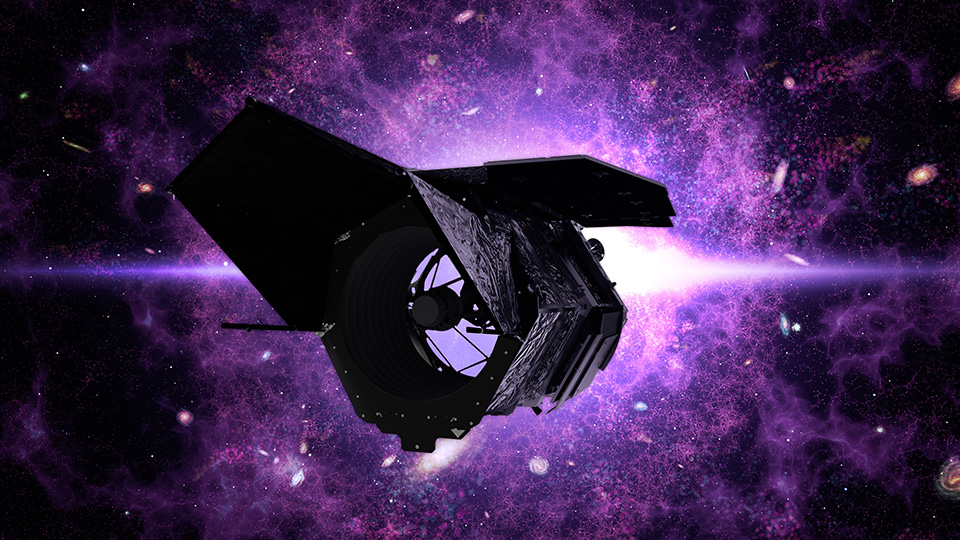
- Nancy Grace Roman Space Telescope: Received its full requested funding of $380 million, ensuring a 2027 launch remains on schedule to study dark energy and exoplanets.
- Dragonfly: The nuclear-powered rotorcraft mission to Saturn’s moon, Titan, was allocated $435 million, rejecting the White House’s proposed “indefinite pause” on the project.
- Earth Science: While the administration sought a 20% reduction, Congress restored funding to $2.2 billion, supporting the Earth System Observatory and climate-monitoring constellations.
The Mars Sample Return (MSR) Compromise
One of the most debated lines in the budget—Mars Sample Return—received $650 million. While lower than the $1 billion some advocates sought, it is significantly higher than the administration’s proposed $300 million “skeleton” budget. This allocation is designed to keep the mission viable while NASA completes its internal architecture review to reduce total program costs.
Artemis and Lunar Infrastructure
The Artemis program remains the agency’s largest single investment, with Congress proposing $7.6 billion for the Exploration Systems Development Mission Directorate. This includes full funding for the Space Launch System (SLS) and the Orion spacecraft, as well as continued support for the Human Landing System (HLS) and the development of the Lunar Gateway.
“This budget reflects the understanding that NASA is not a discretionary luxury, but a strategic engine for American innovation,” said a senior member of the House Appropriations Committee during the bill’s markup. “By rejecting these short-sighted cuts, we are ensuring that the Artemis Generation stays on the Moon and our robotic explorers reach Titan and Mars”.
Timeline and Next Steps
The bill now moves to the House floor for a full vote before being reconciled with the Senate version, which is expected to be released later this month. NASA Administrator Bill Nelson welcomed the proposal, stating that the agency is “grateful for the bipartisan recognition of NASA’s value to the nation”.
If the $24.4 billion figure holds through reconciliation, it will mark the fourth consecutive year of budget growth for the agency despite shifting political climates in Washington.